DRESS CODE
Especially in social settings where a dress code is required, the way you dress reflects your cultural awareness, social understanding and respect for the occasion. Your appearance can communicate powerful clues about who you are within the first few seconds.
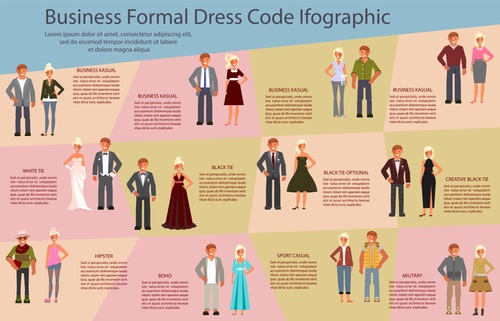
DRESS CODES A dress code is a set of guidelines that helps us understand what is appropriate to wear in a particular environment or for a specific occasion. Some dress codes are flexible, while others follow clearly defined rules. They may also vary according to country, culture, profession and tradition. What we wear communicates more than personal taste. Particularly at formal events and in professional environments, our clothing can reflect our awareness, professionalism, social understanding and respect for the occasion. Dress codes were developed to make choosing appropriate clothing easier. However, their terminology can sometimes be misunderstood. For example, Black Tie does not mean dressing entirely in black; it refers to a specific level of formal evening dress. White Tie The most formal traditional Western dress code, usually reserved for state occasions, royal events and highly prestigious ceremonies. Women: Floor-length formal evening gowns, elegant shoes, refined jewellery and sophisticated accessories. Men: Black tailcoat, white wing-collar shirt, white waistcoat, white bow tie and formal black shoes. Black Tie A formal evening dress code commonly used for galas, award ceremonies, formal dinners and balls. Women: Floor-length gowns or sophisticated formal eveningwear, elegant shoes and refined accessories. Men: Traditionally, a black or midnight-blue dinner jacket (tuxedo), white formal shirt, black bow tie and polished black formal shoes. Black Tie refers to the level of formality — not the colour of a woman's dress. Formal Formal dressing requires an elegant, polished and sophisticated appearance. Women: Tailored dresses, sophisticated separates or formal suits in refined colours and fabrics. Men: A dark suit, formal shirt, tie and polished dress shoes. Avoid overly casual clothing, excessive embellishment or anything that distracts from a polished appearance. Business Professional Typically associated with corporate environments, senior management, finance, government and client-facing professions. Women: Tailored trouser or skirt suits, dresses, blouses, elegant shoes and understated accessories. Men: Dark tailored suit, classic shirt, tie and formal shoes. The overall appearance should communicate professionalism, confidence and credibility. Business Casual Business Casual offers greater flexibility while maintaining a professional appearance. Tailored trousers, skirts, dresses, blouses, shirts, knitwear and blazers are appropriate. A jacket or tie may not always be required, depending on the workplace. The key is to look professional without appearing overly formal. Smart Casual Smart Casual combines relaxed pieces with polished elements and is suitable for many offices, meetings, business trips, restaurants and after-work events. Think dark jeans or tailored trousers, shirts, blouses, knitwear, blazers and clean, understated footwear. The goal is to find the balance between casual comfort and effortless elegance. Casual Casual does not mean careless. Comfortable clothing such as well-fitting jeans, simple tops, dresses, knitwear and clean trainers can work well. Avoid clothing that is excessively distressed, revealing or inappropriate for the setting. Even when the dress code says Casual, your appearance should still feel considered and appropriate for the occasion. Cocktail Cocktail attire sits between Smart Casual and formal eveningwear. Women: Elegant mini, knee-length or midi dresses, sophisticated separates, tailored suits and stylish shoes. Men: A well-tailored suit with a smart shirt and polished shoes; a tie may depend on the event. Cocktail dressing should feel stylish, sophisticated and comfortable enough for socialising. Know the Code, Own Your Style Understanding a dress code does not mean giving up your individuality. The secret is knowing the rules first — and then expressing your own personal style within them.